
In the fabric of our daily lives, synthetic fibers play a crucial role in providing comfort, durability, and style. Let’s take a closer look at 11 fascinating synthetic fibers, understanding the mysteries behind what makes them tick, why we love them, and how they weave into our lives.
1. Nylon: The Tough Cookie
What it’s made of:
Derived from petrochemicals, nylon is like the superhero of fibers, strong and resilient.
Why we love it:
Nylon’s ability to withstand wear and tear makes it a go-to for everyday clothing and accessories.
How it’s used:
Whether holding up your favorite pair of jeans or adding durability to your backpack, nylon is the unsung hero of the textile world.

Fact:
DuPont first introduced Nylon in the 1930s and gained popularity during World War II for parachute production.
2. Polyester: Wrinkle-Resistant Wonder
What it’s made of:
Crafted from synthetic polymers, polyester is the chameleon of fibers, adapting to various needs.
Why we love it:
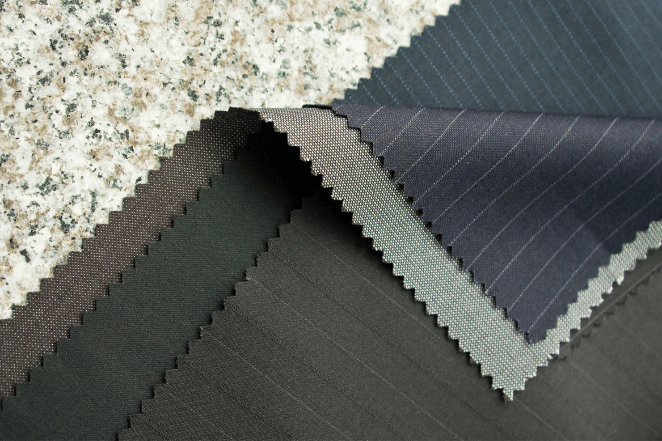
Polyester is the smooth operator in the fiber realm, waving away wrinkles with ease. Its low-maintenance nature and wrinkle resistance make it a wardrobe favorite.
How it’s used:
Whether in vibrant activewear or durable beddings, polyester blends seamlessly into our daily lives.
Fact:
Polyester was first introduced to the fashion world in the 1950s and quickly became a staple due to its versatility.
3. Rayon: The Silk Impersonator
What it’s made of:
Despite being semi-synthetic, rayon originates from wood pulp, offering a silky touch.
Why we love it:
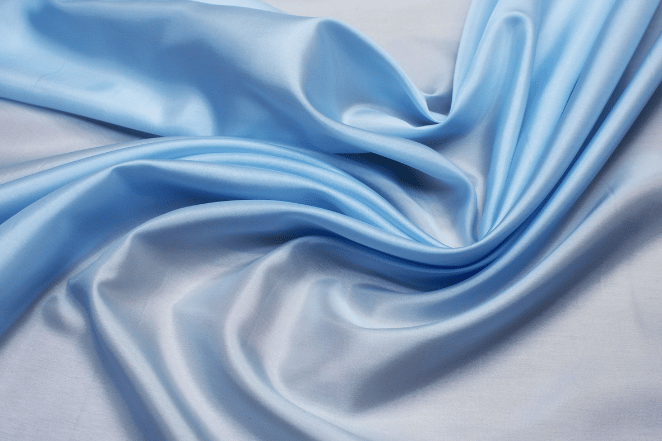
Rayon drapes elegantly, it brings a touch of elegance to your wardrobe without breaking the bank.
How it’s used:
Adorning us in graceful dresses and enhancing our homes with stylish upholstery, rayon is a versatile companion.
4. Acrylic: Softness with a Dash of Humor
What it’s made of:
A synthetic alternative to wool, acrylic is crafted from petrochemicals.
Why we love it:
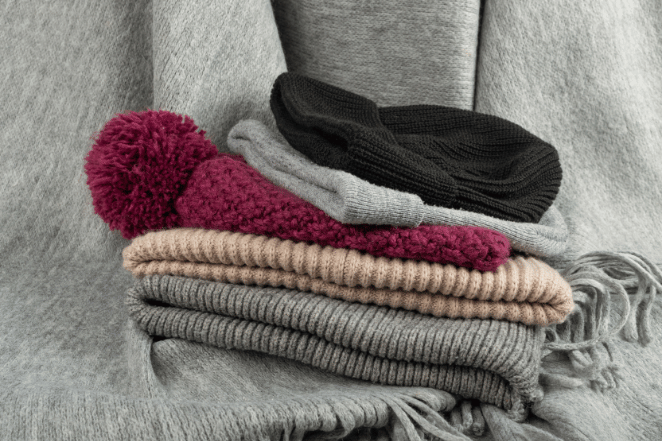
Acrylic mimics the warmth of wool without the itch, providing cozy comfort.
How it’s used:
From soft blankets to vibrant sweaters, acrylic keeps us warm and fashionable.
5. Spandex: Flexibility Unleashed
What it’s made of:
An elastic polyurethane fiber that stretches and springs back to shape.
Why we love it:
Spandex adds flexibility and comfort to our clothing, ensuring a snug fit.
How it’s used:
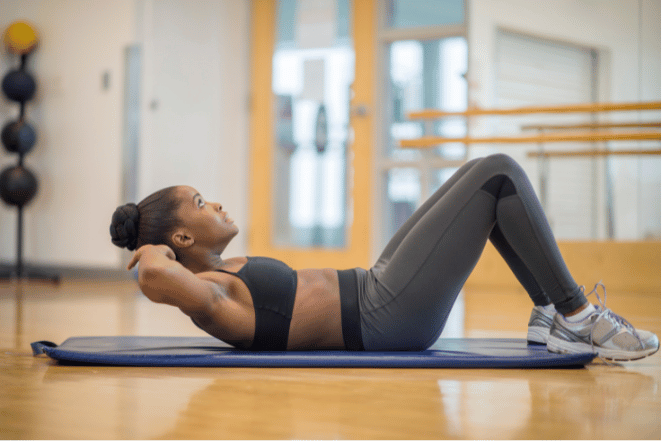
Hugging us in yoga pants or enhancing the stretch of our workout gear, spandex is the secret ingredient for active lifestyles.
6. Kevlar: The Tough Nut
What it’s made of:
A high-strength synthetic fiber, Kevlar is a superhero in the materials world.
Why we love it:
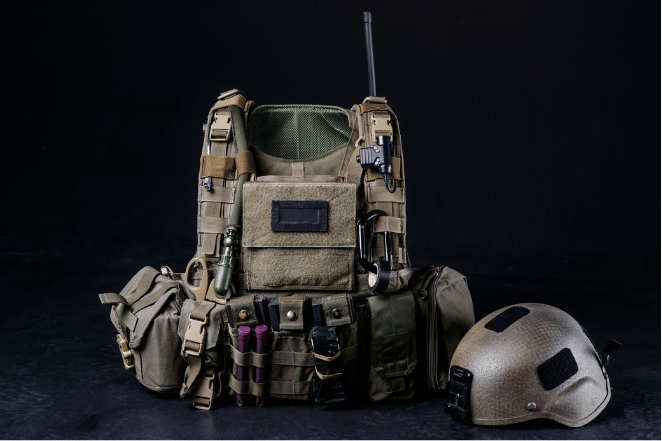
Kevlar’s incredible resistance to cuts and abrasions makes it a lifesaver in protective gear.
How it’s used:
Kevlar is the bodyguard in the fiber family, providing unparalleled protection. From bulletproof vests to gloves, Kevlar is the unsung hero keeping us safe.
Fact:
Kevlar was developed by chemist Stephanie Kwolek in 1965 and is five times stronger than steel.
7. Polyethylene: Light as a Feather, Strong as Steel
What it’s made of:
A lightweight and durable polymer derived from petrochemicals.
Why we love it:
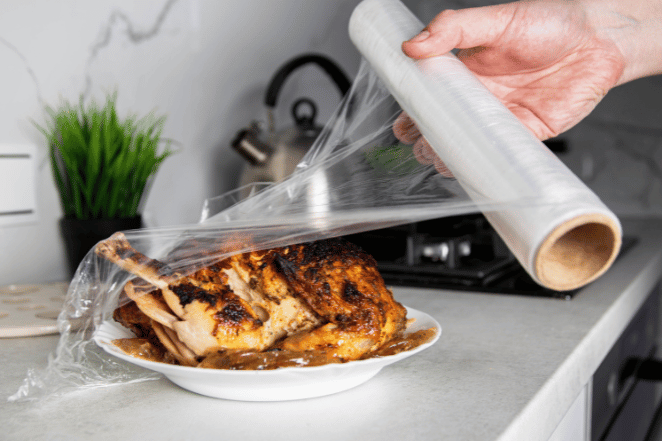
Polyethylene’s strength and moisture resistance make it a packaging powerhouse.
How it’s used:
Polyethylene keeps our goods safe and sound. It secures our snacks and is used for packaging essentials.
Fact:
Polyethylene is the most commonly produced plastic globally, with diverse applications beyond fibers.
8. Polypropylene: The Heat Seeker
What it’s made of:
Another member of the polyolefin family, polypropylene is versatile and robust.
Why we love it:
Polypropylene’s resistance to moisture and chemicals makes it a durable choice.
How it’s used:
From durable carpets to medical masks, polypropylene is everywhere, silently enhancing our daily lives.

9. Modal: Eco-Friendly Elegance
What it’s made of:
Derived from beech tree pulp, modal is an eco-friendly alternative with a silky touch.
Why we love it:
Modal’s softness and breathability make it a comfort-first choice for clothing and bedding.
How it’s used:
Draping us in cozy pajamas or embracing us in silky sheets, modal offers a touch of luxury in our everyday retreats.
10. Tencel: Eco-conscious Fiber
What it’s made of:
Produced from sustainably sourced wood pulp, Tencel is an eco-conscious fiber.
Why we love it:
Tencel’s moisture-wicking and breathable properties make it ideal for active lifestyles.
How it’s used:
From breathable activewear to eco-friendly bedding, Tencel is the green choice for comfort.
11. Viscose: The Breathable Beauty
What it’s made of:
Also known as rayon, viscose is crafted from cellulose fibers found in wood pulp.
Why we love it:
Viscose is a breathable beauty, letting your skin breathe in style.
How it’s used:
Adorning us in stylish dresses or gracing our homes with elegant drapes, viscose blends practicality with sophistication.
In the colorful fabric of our lives, these synthetic fibers add texture, strength, and a touch of humor. From the toughness of Kevlar to the eco-friendliness of Modal, each fiber brings something unique to the table.
So, the next time you slip into your favorite outfit, take a moment to appreciate the science and innovation woven into every thread.
That’s all for now, I’ll see you in my next article. What topic should we explore next? Let us know in the comments below. Join the conversation and let’s make science accessible to everyone!
Read More: What is Gallium Nitride Charger? What are its advantages?
Continue Reading, Exploring, and Sharing your knowledge, and most importantly, Stay Curious, and Stay scientific! 🙂
Read More: What are Antitranspirants? How do they Reduce Water Loss in Plants?
References:
- Twombly, C. (2023) Complete Guide to Synthetic Fabrics, Fabric Manufacturers. Available at: https://www.herculite.com/blog/the-history-of-synthetic-fabrics (Accessed: 01 February 2024).
- Textile-Engineering (2023) Properties, classification and application of Synthetic Fibres, Textile Engineering. Available at: https://textileengineering.net/types-properties-and-uses-of-synthetic-fibres/ (Accessed: 01 February 2024).

 Science Samhita
One thought on “11 Synthetic Fibers Making Everyday Life Comfortable.”