
Dead zones are areas of the ocean where the water has low levels of oxygen, which can suffocate marine life. Ocean dead zones are increasing in size and frequency since the 1960s and could occupy around 20% of the world’s oceans. These zones are caused by various factors, including agricultural runoff, sewage discharge, and climate change. There are ways to prevent dead zones, including reducing agricultural runoff and increasing the number of wetlands.
What are Ocean dead zones?
Dead zones are regions in the ocean where the water contains low oxygen levels. Due to this the plant and animal life living in these regions of the oceans gets suffocated and subsequently dies. These areas can be caused by several factors, including fertilizer runoff, wastewater discharge, and other pollutants.
The Baltic Sea is home to seven of the world’s 10 largest marine dead zones. Increased runoff from agricultural fertilizers and sewage has sped up the process. Overfishing of Baltic cod has intensified the problem.
National Geographic
How do ocean dead zones form?
These areas form when excess nutrients from fertilizer and wastewater runoff stimulate algae growth. The process of dead zone formation can be explained in a stepwise manner.
- Step 1: When the excess nutrients from agricultural runoff and wastewater enter the water, they cause phytoplankton (algae) to grow very rapidly.
- Step 2: As the phytoplankton die and decompose, they sink to the ocean floor. More algae on the ocean floor mean more food for heterotrophic organisms (i.e. O2 consuming organisms).
- Step 3: But, as the number of O2-consuming organisms and microbes increases, they start to use up all of the oxygen, creating a dead zone.

The formation of the dead zone leads to the death of fish, crabs, and other marine life. Dead zones can also be a danger to humans, as they can cause respiratory problems and other health issues.
What causes ocean dead zones?
There are many causes of dead zones in the ocean. Some of the most common causes are fertilizer runoff, sewage discharge, and climate change. Let us study them one by one.
A. Nutrient runoff
Fertilizer runoff is one of the main causes of dead zones. Fertilizer contains nitrates and phosphates, which are nutrients that promote algae growth. There are two types of nutrient run-offs.
1. Agricultural runoff
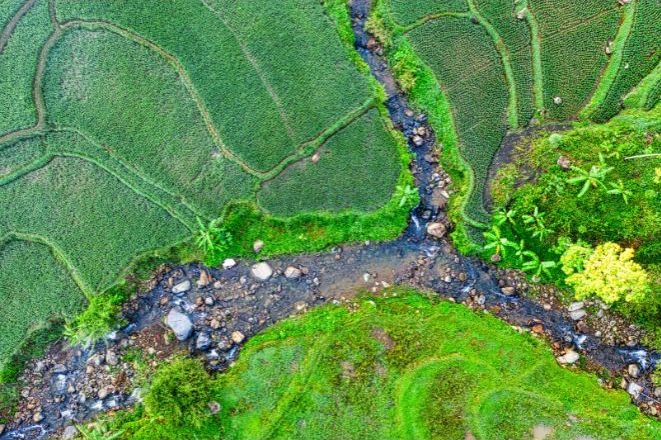
Agricultural runoff includes soil, fertilizers, pesticides, and livestock waste. These pollutants can create algal blooms (i.e. excessive growth of algae in oceans), which then lead to the formation of dead zones.
2. Urban runoff
The second type of runoff is urban runoff, which is created as a result of rainwater that falls on hard surfaces like roofs, sidewalks, and streets and then runs off into the nearest storm drain or ditch. Urban runoff often carries pollutants like oil and grease from cars, pet waste, and pesticides from lawns. These pollutants contain nitrates and phosphates, which when added to water promote algal growth.
B. Sewage Discharge
1. Domestic and Industrial Sewage
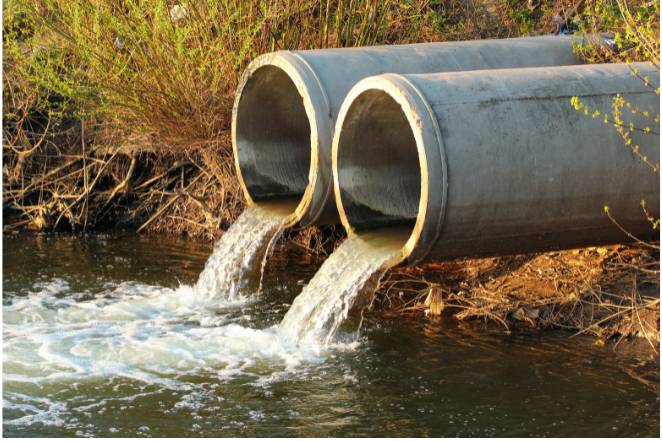
Sewage coming from domestic and industrial waste is a major source of nitrogen and phosphorous. When sewage is discharged directly into the ocean, it introduces high levels of nitrogen and phosphorus, which lead to an overgrowth of algae.
2. Sewage discharge from ships
Sewage discharged from ships is full of contaminants such as nitrogen and phosphorus, which when discharged into the oceans, can create a perfect breeding ground for algae to overgrow and deplete the surrounding water of oxygen.
C. Climate Change
Climate change is having a devastating impact on our oceans, including the formation of ‘dead zones’ in oceans. Rising sea temperatures support the growth of algae and other marine organisms, which then die and decompose in an oxygen-depleted environment.
Increased rainfall and storm intensity (due to climate change) are also adding more nutrients to the oceans which encourages the growth of algae. As climate change progresses and ocean temperatures continue to rise, more dead zones are likely to form, threatening marine life and the health of our planet.
How to prevent dead zones in the ocean?
Dead zones in the ocean have been increasing in size and number for years, and now cover an area of more than 245,000 square kilometres – about the size of the United Kingdom. There are several ways to address this problem, including reducing nutrient runoff, investing in clean energy technologies, and improving sewage treatment.
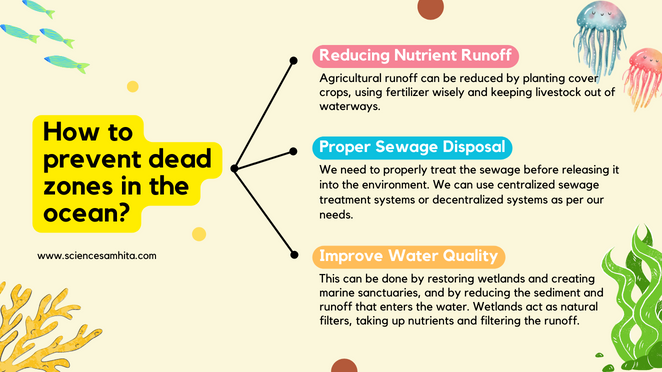
1. Reducing Nutrient Runoff
Agricultural runoff is created when rain flows over agricultural land and picks up sediment, nutrients, and pesticides from the land and carries them into rivers, lakes, and oceans. This then leads to the formation of dead zones.
Agricultural runoff can be reduced by using best management practices (BMPs) on the farm. BMPs include things like planting cover crops, using fertilizer wisely and keeping livestock out of waterways. These practices help keep the soil in place and reduce the amount of nutrients that can flow off the land.
2. Proper Sewage Disposal
We need to properly treat the sewage before releasing it into the environment. In big cities, we can use centralized sewage treatment systems, whereas in smaller cities and towns we can treat the sewage at its source by building small treatment units at different locations. Some cities are now using innovative methods to dispose of sewage, such as using it to create energy.
3. Improve Water Quality
Another important method to prevent dead zone is to improve water quality. This can be done by restoring wetlands and creating marine sanctuaries, and by reducing the amount of sediment and runoff that enters the water. Wetlands act as natural filters, taking up nutrients and filtering the runoff.
Read more: Evolution of Brain – Where Did our brains come from?
Dead zones can have a devastating impact on marine ecosystems and the economies that rely on them. Thus, the problem of ocean dead zones is serious and we need to take steps to prevent their formation. By working together, we can prevent more dead zones from forming and safeguard our oceans for future generations.
So, now you know What are Ocean Dead Zones? What Causes Them? How Can We Prevent Them?. That is all for now, meet you in my next article. Keep Reading, Keep Exploring, and Keep Sharing your Knowledge, and above all BE CURIOUS. 🙂
Read More: What is Carbon monoxide poisoning?
References
- Dead Zone. (2023). Retrieved 29 May 2023, from https://education.nationalgeographic.org/resource/dead-zone/
- NOAA Ocean Podcast: Hypoxia. (2023). Retrieved 31 May 2023, from https://oceanservice.noaa.gov/podcast/feb18/nop13-hypoxia.html
- Ocean Dead Zones. (2011). Retrieved 31 May 2023, from https://www.sailorsforthesea.org/programs/ocean-watch/ocean-dead-zones

 Science Samhita
One thought on “What are Ocean Dead Zones? What Causes Them and How Can We Prevent Them?”