
Ever wondered how the universe keeps its secrets? Enter the Euclid Telescope, our cosmic detective with a flair for unveiling the unknown. Buckle up, as we embark on a space adventure like no other!
What is the Euclid Telescope?
Picture this: a gigantic space spyglass, the Euclid Telescope, on a mission to crack the cosmic code. It’s not just a telescope; it’s our window to the enigmatic realms of dark matter and dark energy. Think of it as a superhero for science, armed with state-of-the-art technology!
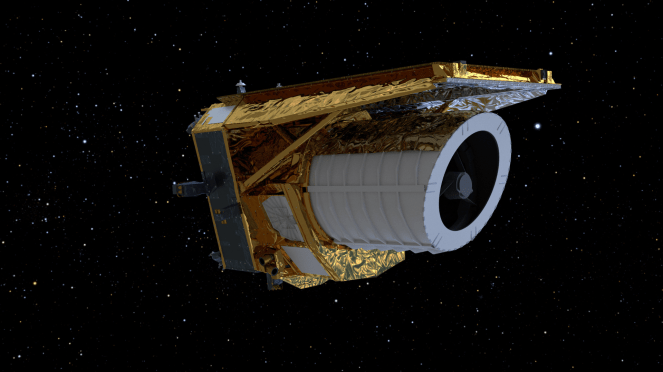
Why does the Euclid Telescope Matter?
The Euclid Telescope takes center stage as the cosmic storyteller in the vast cosmic arena, where mysteries unfold like an epic drama. Picture this: the universe is a blockbuster movie, and dark matter and dark energy are the lead actors, wearing masks, keeping us all in suspense.
Now, why should you care about this celestial drama? Well, here’s the plot twist – understanding dark matter and dark energy isn’t just a quest for cosmic bragging rights. It’s about grasping the very essence of the universe. Dark matter makes up about 27% of the universe, and dark energy, a whopping 68%. That’s a whopping 95% of the cosmic show shrouded in mystery!

Think of it like this: you wouldn’t skip the first season of your favorite series, right? Similarly, understanding dark matter and dark energy is crucial for comprehending the universe’s past, present, and future. The Euclid Telescope is our high-tech ticket to unveiling these cosmic enigmas, rewriting the cosmic script for generations to come.
How Does the Euclid Telescope Work?
Alright, cosmic cadets, let’s dive into the cosmic tech behind the Euclid Telescope – it’s not your grandma’s backyard telescope, that’s for sure. Imagine you’re a cosmic detective, and your mission is to uncover the universe’s secrets. How would you do it? Euclid’s got a few tricks up its sleeve.
Gravitational Lensing
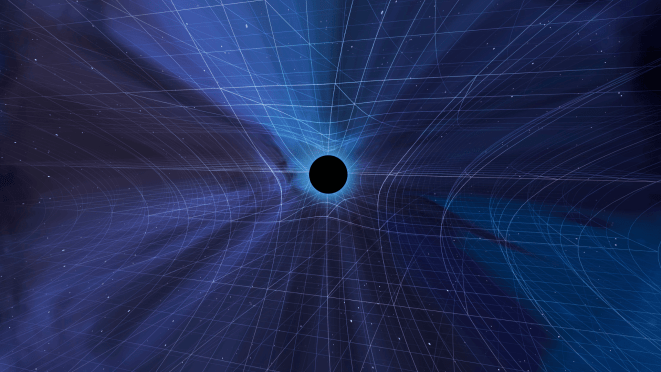
First up, gravitational lensing – the Sherlock Holmes of cosmic clues. When massive objects like galaxies bend the fabric of space-time, they act like magnifying glasses, distorting and bending light. Euclid’s keen eye captures these cosmic distortions, revealing hidden details about the universe’s structure.
Spectroscopy
Next, spectroscopy – the cosmic CSI. Euclid uses this technique to analyze the light from distant galaxies. It’s like breaking down the cosmic rainbow, revealing the fingerprints of elements and telling us about the galaxies’ composition, temperature, and motion.
It’s like playing detective with cosmic fingerprints – finding clues to the universe’s secrets by studying how light bends and dances in the vast expanse. In simpler terms, Euclid is our cosmic detective, using ingenious techniques to decode the language of the cosmos.
When and Where Can We See Euclid in Action?
Now, the grand cosmic spectacle isn’t a one-night-only show – it’s an ongoing blockbuster, and Euclid’s the lead actor. The telescope is currently on its mission, mapping the cosmic terrain. But here’s the catch – you won’t find it in your backyard telescope-viewing party.
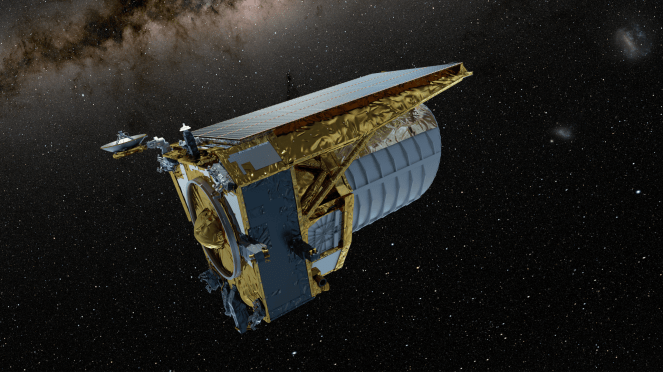
Euclid has its VIP seat in space, precisely where it needs to be – away from Earth’s atmosphere, which can distort cosmic observations. The European Space Agency (ESA) has orchestrated this cosmic show, and you can catch glimpses of Euclid’s cosmic masterpieces through official updates, live feeds, and educational programs.
Benefits of Euclid’s Mission:
Alright, cosmic enthusiasts, let’s talk about the real cosmic perks of having the Euclid Telescope on the scene. It’s not just a high-tech gadget floating in space; it’s a game-changer, a cosmic pioneer paving the way for a new era in astrophysics. So, why should you be excited about Euclid’s cosmic escapade? Buckle up for the cosmic benefits ride!
Decoding the Cosmic Puzzle:
Euclid is not just another space gadget; it’s our cosmic Rosetta Stone. By mapping dark matter and dark energy with unparalleled precision, Euclid is decoding the cosmic puzzle that has baffled scientists for decades.
Shaping the Future of Cosmology:
Imagine Euclid as the cosmic architect sketching the blueprint of the universe. The data it collects isn’t just for show; it’s a treasure trove for future generations of scientists and space explorers. The Euclid mission sets the stage for groundbreaking discoveries that will shape the future of cosmology, influencing how we perceive and interact with the cosmos.
Cosmic Time Travel:
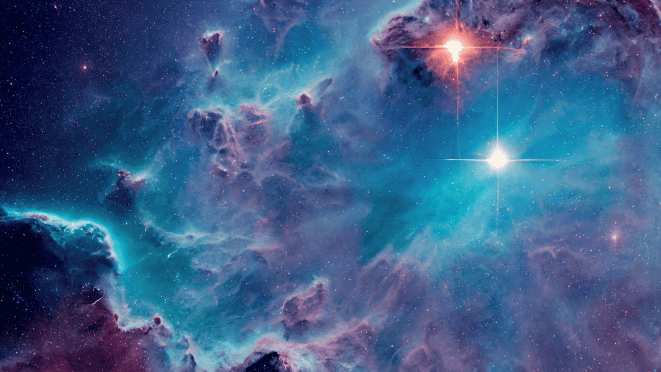
Euclid’s ability to peer deep into the cosmic past is like having a time machine for the universe. By studying distant galaxies and their evolution, Euclid provides us with a glimpse into the early chapters of cosmic history. It’s like watching the universe unfold in real-time, rewinding the cosmic clock to understand our cosmic origins.
In a nutshell, think of Euclid as the Sherlock Holmes of space – solving mysteries that will reshape our cosmic understanding. So, as Euclid continues its cosmic journey, stay tuned for the revelations that will redefine our cosmic narrative!
Read More: Evolution of Brain – Where did our brains come from?
That wraps it up for now, but the scientific journey doesn’t stop here! Dive into the next article and keep the curiosity alive. What topic should we explore next? Share your thoughts in the comments — let’s unfold the wonders of science together!
Keep Reading, Keep Exploring, Keep Sharing the knowledge, and, of course, Stay Curious and Stay Scientific!
Read More: Stars Are Merely Luminous Balls of Gases.
References:
- Euclid Mission – ESA (https://www.cosmos.esa.int/web/euclid)
- NASA – Dark Energy and Dark Matter (https://science.nasa.gov/astrophysics/focus-areas/what-is-dark-energy)

 Science Samhita