

Nature has created many beautiful masterpieces, but a butterfly is the most beautiful and colorful masterpiece. The vivid colors of butterfly wings are so life like that sometimes people call them "flying flowers". Do you know, butterflies live everywhere in the world, except Antarctica. Here we have some other amazing facts about butterflies that may surprise you.
Category: Biology
Biology all the divisions of natural sciences which examines various processes related to the living world. Biology include anatomy, cell biology, physiology, genetics, biochemistry, evolution and many other subjects.

11 Amazing Facts about DNA You didn’t Know.
DNA is the genetic material in all except certain viruses. In Prokaryotic cells, DNA occurs in the cytoplasm and is the only component of the chromosomes. Whereas, in Eukaryotic cells, DNA is largely confined to the nucleus. Do you know, A human DNA contains 3 billion chemical letters. Yes, it is true. There are several other amazing and fun facts about DNA that we don't know.
Personal Genomics: Gene Sequencing & Analysis in India.
In recent times, the people of India have been heard talking about gene sequencing, gene editing, gene analysis and many other similar terms. Gene or genome sequencing is a process or method of figuring out the order of DNA nucleotides or bases in a human genome. It comes under the umbrella of personal genomics.
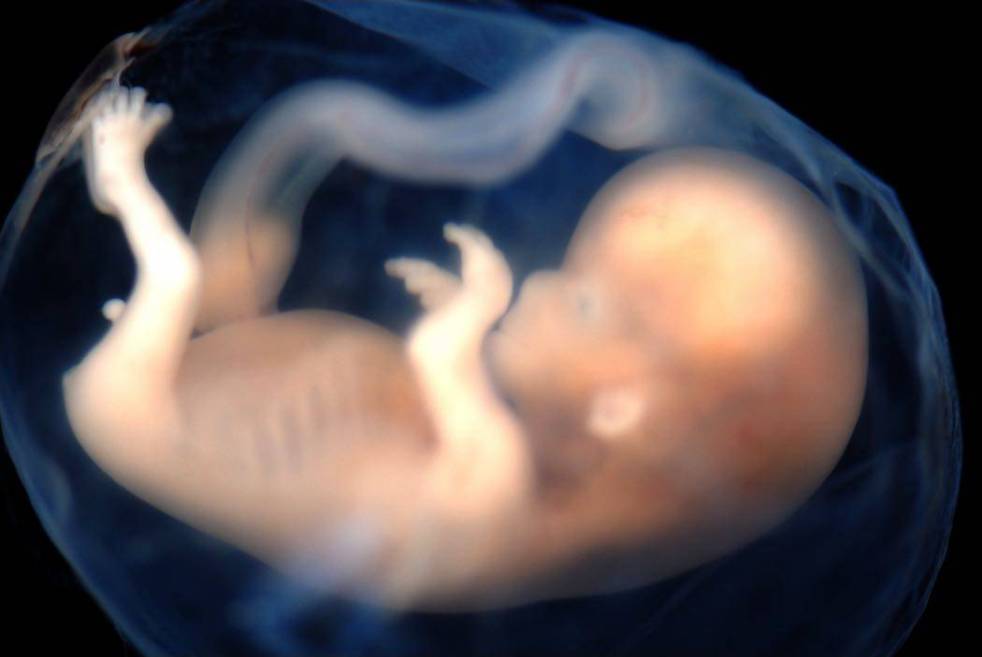
How do cells in Embryo get their Roles to Play?
Cell Specification is a process of distributing roles among different cells of an embryo. This process starts when cells are capable of differentiating autonomously in a neutral environment. Among, three basic modes of cell specification, most of the organisms prefer an amalgam of the two or three modes.
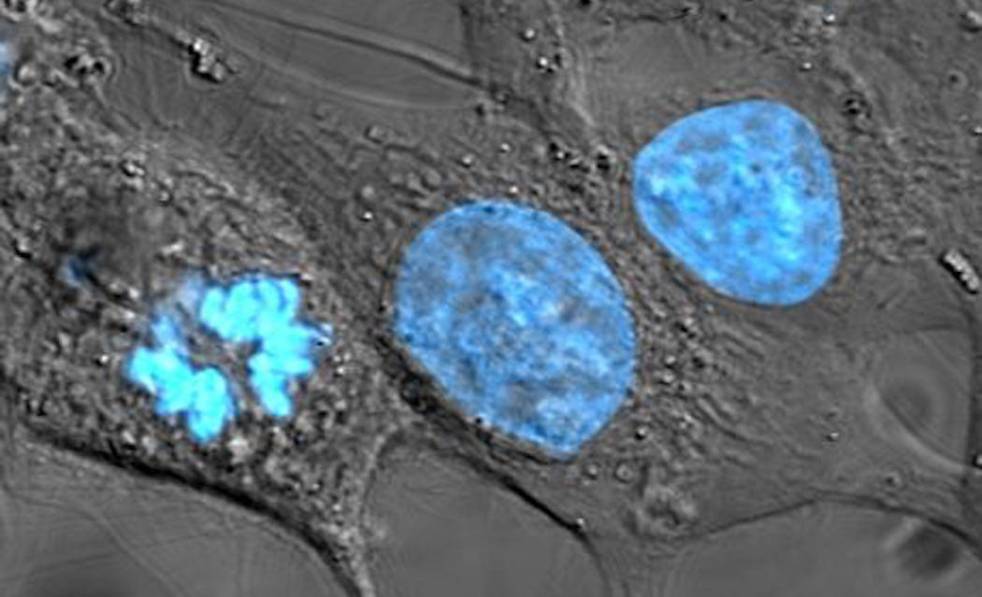
What is the physical basis of life?
Protoplasm is the essence of life. We can refer to all the constituents of the cell collectively by the term Protoplasm. It shows all those activities that are characteristic of life.
What are SNPs? Why are Scientists interested in them?
A most common and important source of genetic variability is known to be present uniformly throughout the genome is termed Single Nucleotide Polymorphisms or SNPs. Interest in SNPs lies in the fact that these polymorphisms may be responsible for the differences in disease susceptibility, drug metabolism and response to environmental factors between individuals. Even, if they are not directly responsible for the disease, they serve as genetic markers for a nearby locus that might be responsible.
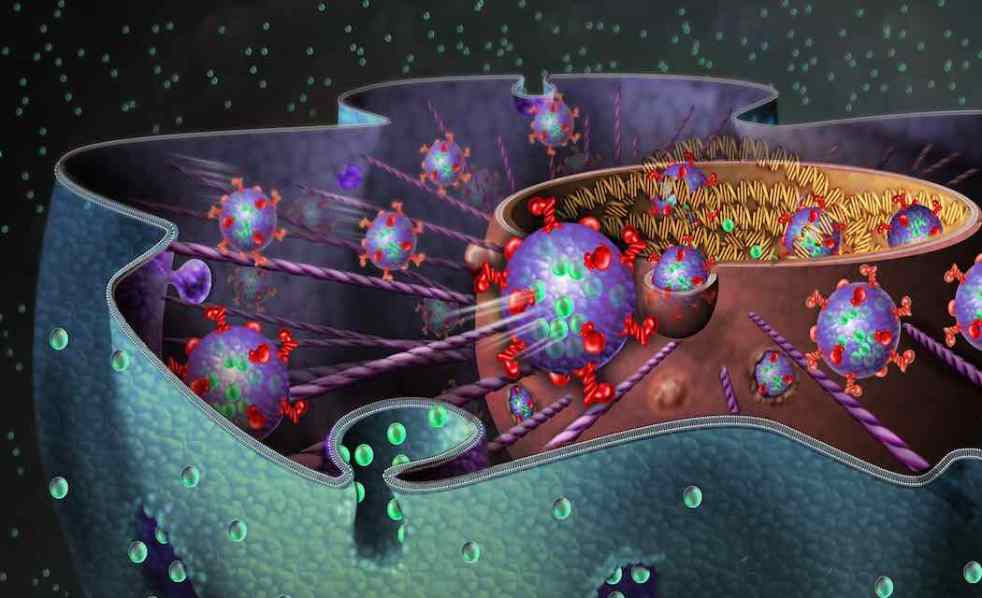
How a 2 meters long DNA is fitted into a 2 micrometers Nucleus?
An average Human cell (diploid) contains about 6.4 billion base pairs of DNA divided among 46 chromosomes. The length of each base pair is about 0.34 nm. Therefore, if the DNA molecule in a diploid cell were laid out end to end, the total length of DNA would be approximately 2 meters.Since the diameter of a typical cell nucleus is only 10 μm, it is obvious for us to know that how is it possible to fit 2 meters of DNA in such small space without getting tangled up. The answer lies in the remarkable manner in which a DNA molecule is packaged.

Why Nature Preferred DNA over RNA?
We all know that DNA acts as a genetic material in most of the organisms on this planet earth. However, it is also clear that RNA also acts a genetic material, but only in some viruses. During the evolution, nature has considered DNA over RNA as genetic material, because DNA is more stable and more efficient than RNA.
Who discovered that DNA is the Genetic Material?
The discovery of DNA as the genetic material was one of the major achievements of science in the 20th century. This discovery made DNA, the chemical basis of heredity. It took almost 80 years for scientists to prove that DNA is the genetic material. Early works: In 1869, Johann Friedrich Miescher, a young Swiss medical student, discovered… Continue reading Who discovered that DNA is the Genetic Material?
 Science Samhita