
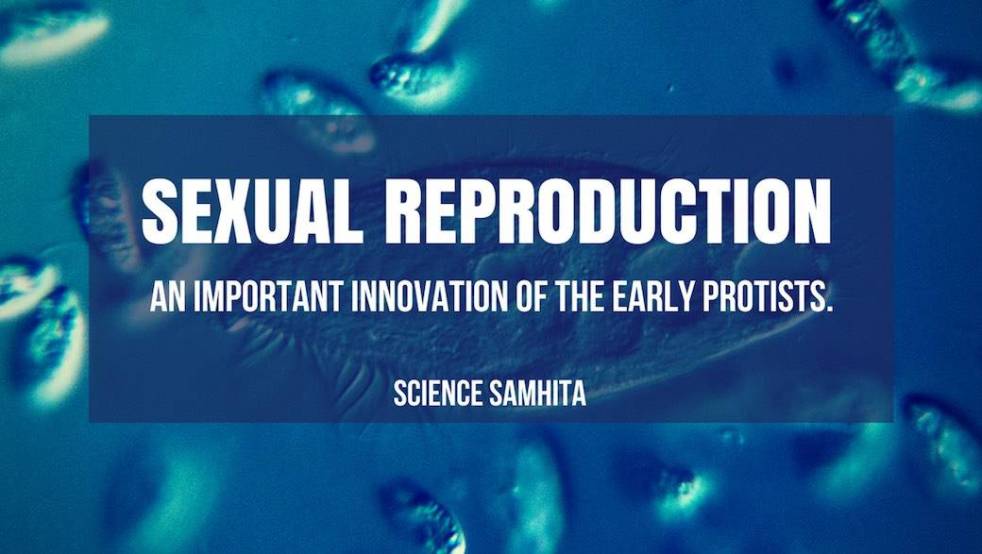
Like the development of the flagellum for movement, sexual reproduction in protists involving meiosis, syngamy and zygote formation appears to have been a major evolutionary innovation by the primitive protists. This innovation has made a profound effect on more complex organisms.
Category: Microbes
Microbes are tiny living things that are found all around us and are too small to be seen by the naked eye. They live in water, soil, and the air. The human body is home to millions of these microbes too. They are also known as microorganisms or microscopic organisms as they could only be seen under a microscope. They make up almost 60% of the earth’s living matter.
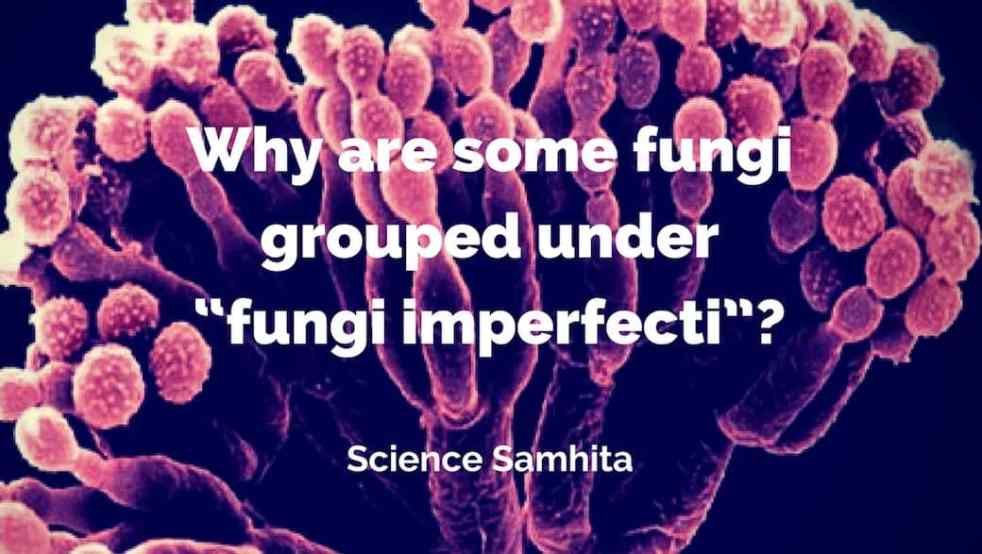
Why are some fungi grouped under “fungi imperfecti”?
There are over 100,000 species of fungi. Some of them are one-celled like the yeasts; others are complex like mushrooms and some of them are called imperfect fungi. Fungi are the major decomposers (besides bacteria) and some parasitic forms of fungi may also cause diseases in plants and animals. Classification of Fungi: Classification of fungi is largely… Continue reading Why are some fungi grouped under “fungi imperfecti”?

Why Blue Green Algae are not included in Plantae Kingdom?
Blue Green Algae also called as Cyanobacteria are one of the most successful organisms on this planet. Initially, they were classified Plantae, but later they were moved to the Monera Kingdom.
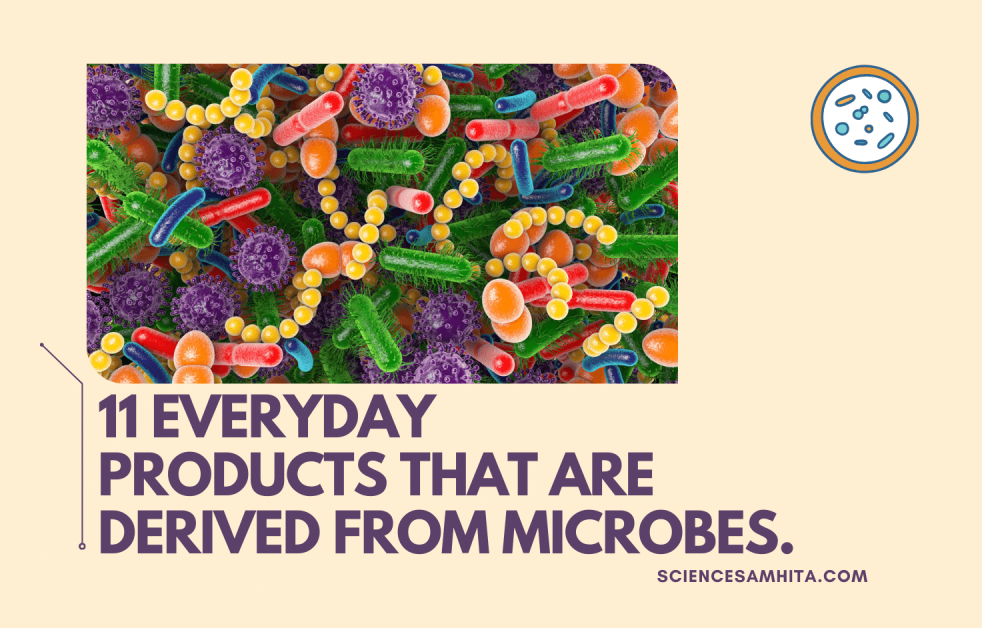
11 Everyday Products that are derived from Microbes.
Microbes significantly contribute to creating everyday products we use. They play a key role in brewing beverages like beers, wines and spirits, and in the production of antibiotics, enzymes, vitamins, biofuels, amino acids, and single cell proteins. Additionally, microbes are fundamental in creating steroids, vaccines and pharmaceutical drugs like cyclosporin A and statins. This diverse range of uses makes microbes the unsung heroes of our everyday life.

Bacterial Conjugation – A Primitive form of Sexual Reproduction.
Several Bacteria (like Escherichia Coli) exhibit a form of sexual reproduction called Bacterial Conjugation. It is the transfer of genetic material between bacterial cells by direct cell-to-cell contact or by a bridge-like connection between two cells.
 Science Samhita