
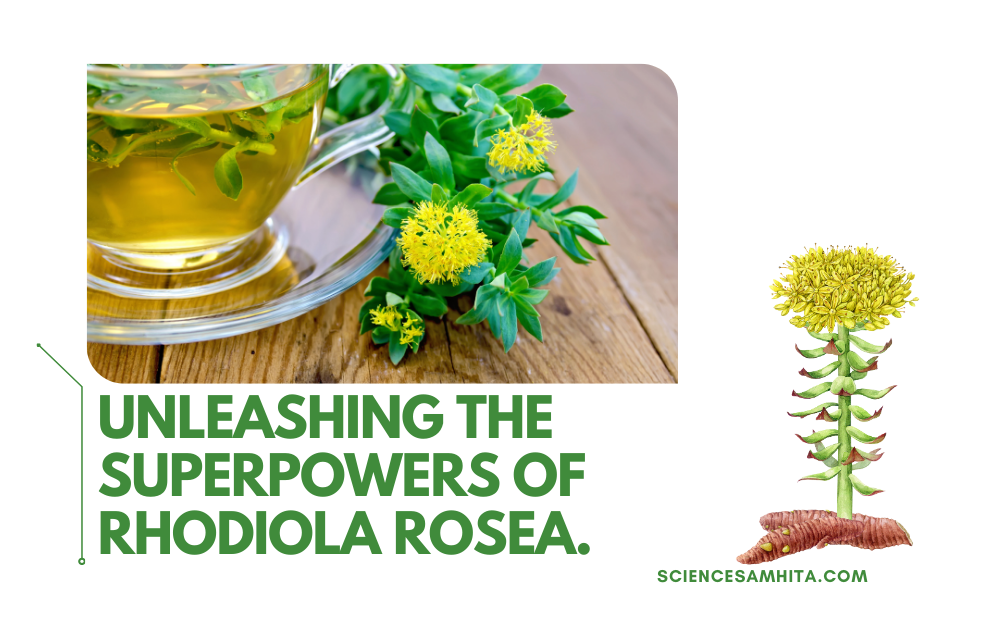
Rhodiola Rosea, an adaptogenic herb found in the icy mountains of Europe and Asia, offers numerous health benefits, particularly in combating stress, enhancing cognitive function, and boosting metabolism. Research indicates its ability to provide an energy surge without caffeine jitteriness. Mild side effects can occur, so consultation with a doctor is recommended before usage. It's available in many forms, including capsules and tinctures, for convenient integration into lifestyle routines.
Category: Plants
Plants are mainly multicellular organisms, predominantly photosynthetic eukaryotes of the kingdom Plantae. Historically, plants were treated as one of two kingdoms including all living things that were not animals, and all algae and fungi were treated as plants.
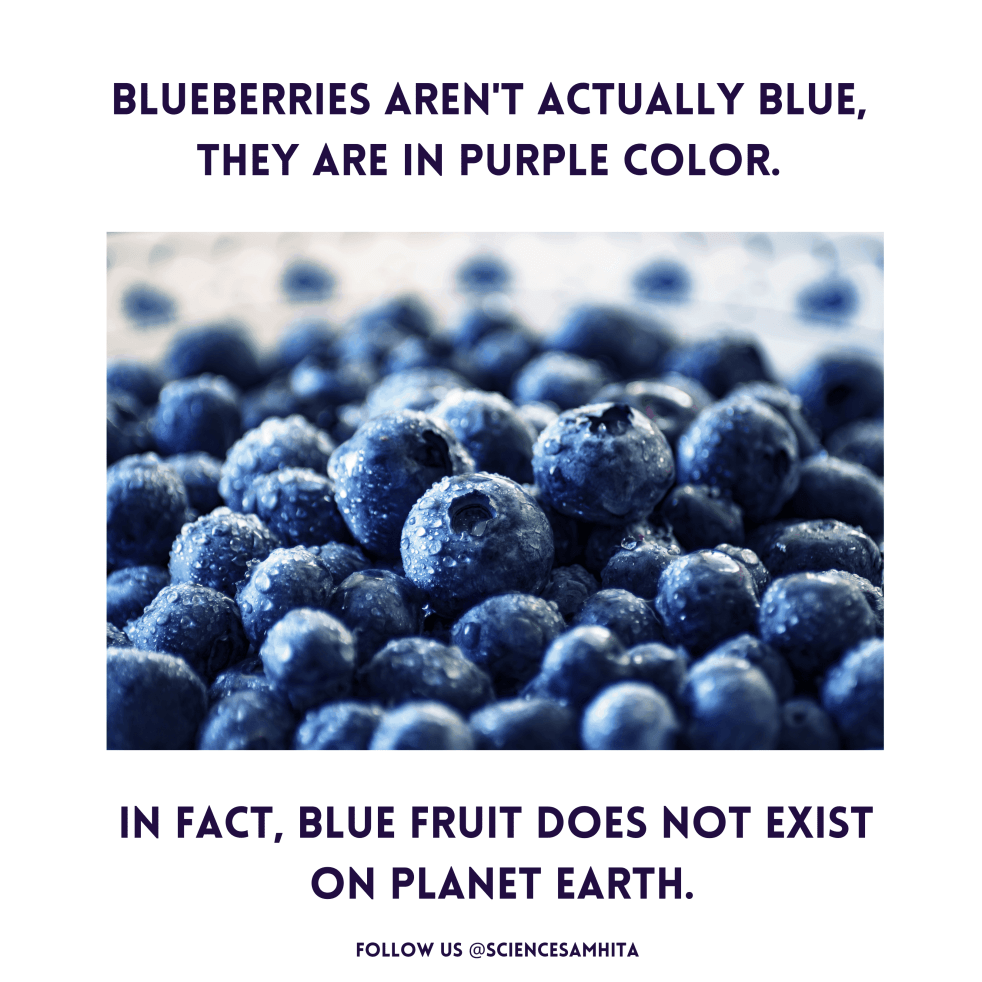
Blueberries aren’t actually Blue.
Blueberries are not actually blue, but deep purple, which is the color of anthocyanin, a pigment that is especially rich in blueberries.
What are different factors that affect the growth of plants?
The plant growth is influenced by a variety of external and internal factors. The former include light, temperature, water, nutrients etc. while the latter includes genetic and hormonal factors.
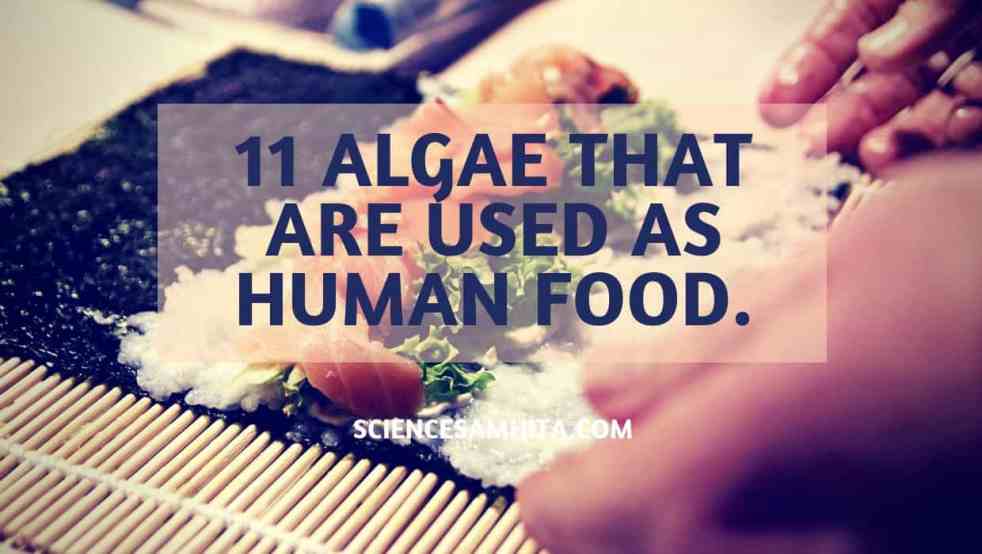
11 Algae that are Used as Human Food.
The direct consumption of algae as human food is widely practiced around the world. A list of more than hundred species can be made which provide direct food to the human beings, especially to the coastal people of the world.
How do Auxins affect Plant growth?
Auxins are powerful plant growth hormones (or plant growth regulators) produced by plants. They are found in the shoot and root tips and promote cell division, stem and root growth. Auxins are involved in phototropism, geotropism, hydrotropism and various other developmental changes.
Why is the Two-Kingdom Classification System Inadequate?
We can easily distinguish a living animal from a living plant in our surroundings. So, to keep it as simple as it was, Carolus Linnaeus classified all the organisms of the world into two Kingdoms i.e. Plantae and Animalia. But the grouping of such diverse organisms into only two kingdoms was not satisfactory to many biologists of that time.
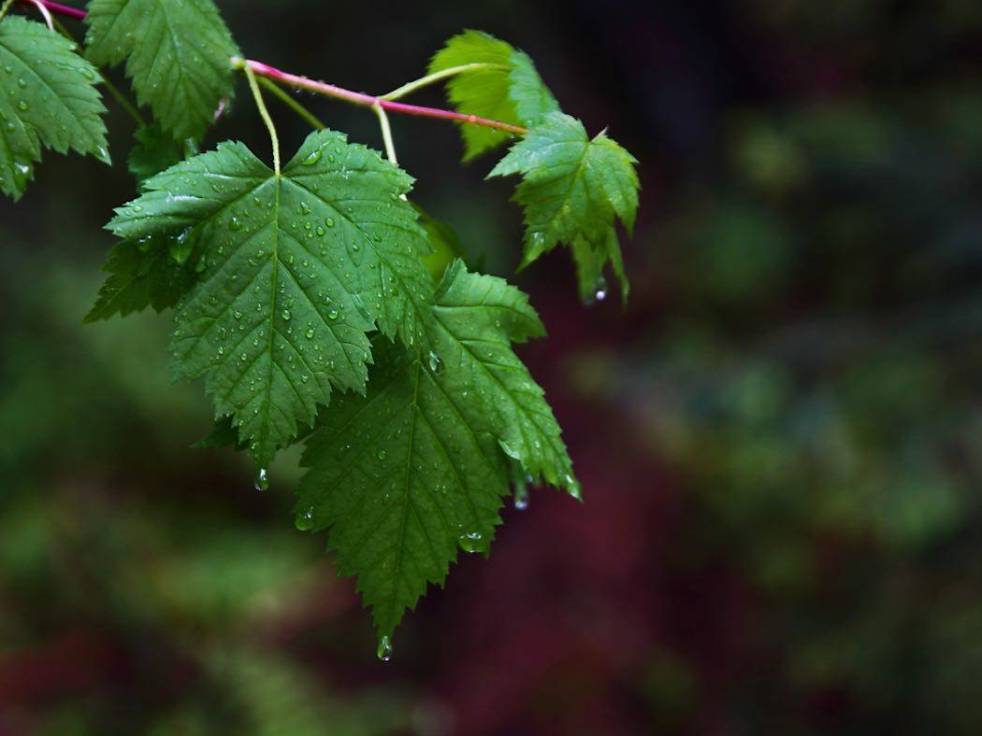
What are Antitranspirants? How do they Reduce Water Loss in Plants?
Antitranspirants are the materials or chemicals which are capable of reducing the water loss from plant leaves. Almost 99 per cent of the water absorbed by the plant is lost in transpiration. Since water loss normally occurs through the stomatal pores in the leaves, anti-transpirants are usually foliar sprays.
 Science Samhita