
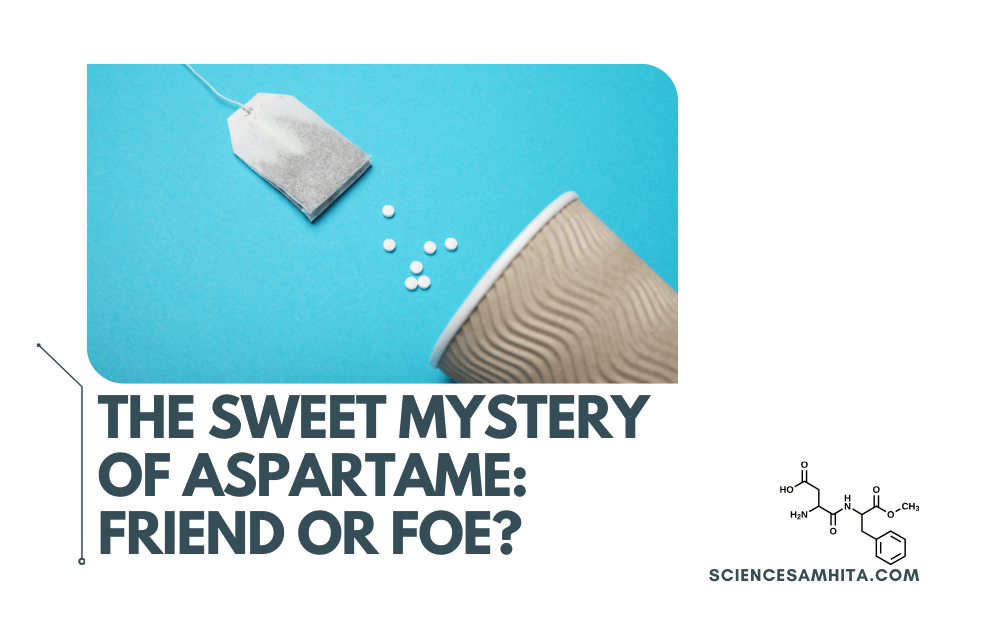
Aspartame, a low-calorie sweetener present in diet drinks and many 'lite' snacks, is often the subject of controversy. Despite rumors about potential adverse effects, scientific consensus supports its safety. Notably, aspartame does not cause cancer or raise blood sugar levels. However, individuals who are allergic should avoid it. It's also safe for pregnant women, but consultation with a doctor is recommended. Side effects from aspartame are rare, but could include headaches.
Tag: Chemistry

11 Synthetic Fibers Making Everyday Life Comfortable.
Synthetic fibers are polymers made from small units joined together through chemical synthesis. The chemical synthesis of synthetic fibers involves polymerization i.e. combining monomers units to make a long chain or polymer, a process known as polymerization.

Ice is a cooler version of water.
Water turns into ice when it cools down to zero degrees Celsius. So, we can say that "ice is a cooler version of water".
How Enzymes speed up the chemical reactions?
Enzymes are complex biological molecules which catalyze or greatly speeds up the rate at which a chemical reaction will occur. The key concept behind the speeding up of a chemical reaction by an enzyme is that it reduces the activation energy required for a reaction. In doing so, it speeds up the reaction.

What are Antitranspirants? How do they Reduce Water Loss in Plants?
Antitranspirants are the materials or chemicals which are capable of reducing the water loss from plant leaves. Almost 99 per cent of the water absorbed by the plant is lost in transpiration. Since water loss normally occurs through the stomatal pores in the leaves, anti-transpirants are usually foliar sprays.
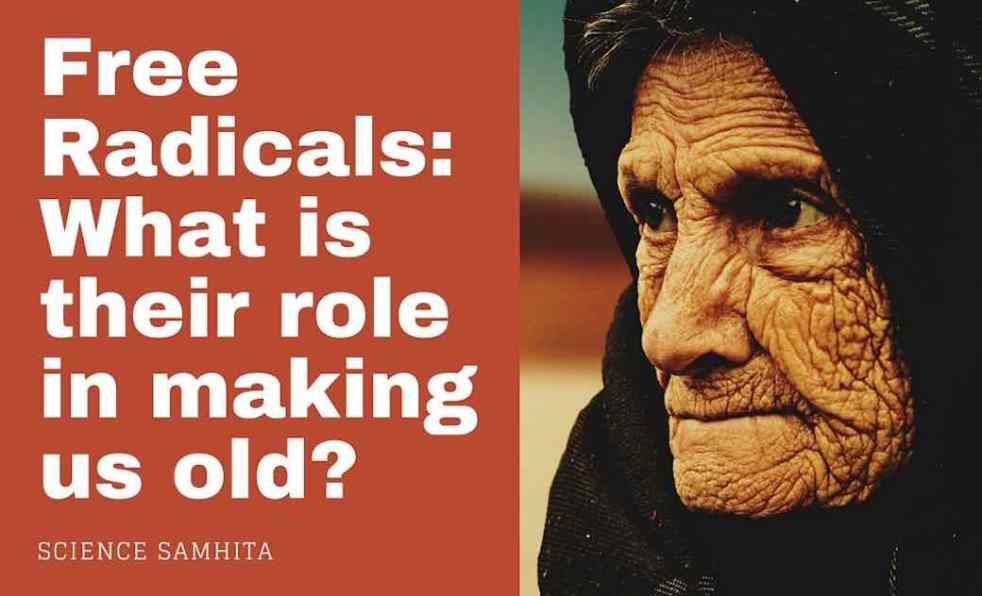
Free Radicals: What is their role in making us old?
From the beginning of time, humans have always been concerned about aging and have tried every bit of ability to defy this process. Many of us believe that aging results from the repetitive damage caused to our body cells due to radicals produced by the everyday metabolic activities that usually sustain our life also create "metabolic stress". But, recent studies are proving this theory of aging wrong, and are saying that so called - "evil radicals" are not so evil.
 Science Samhita