

The digestive enzymes work tirelessly, breaking down our meals into nutrients, fueling our body, and maintaining our overall health. They're the invisible workforce, ensuring that whatever you eat is efficiently processed and utilized. The significance of these enzymes is often overlooked, but without them, our body's ability to absorb nutrients would be severely compromised. Join me as I explore the vital role these digestive enzymes play and discover how they contribute to the remarkable machinery that is your digestive system.
Category: Biology
Biology all the divisions of natural sciences which examines various processes related to the living world. Biology include anatomy, cell biology, physiology, genetics, biochemistry, evolution and many other subjects.

What is Carbon monoxide poisoning?
Carbon monoxide poisoning mostly occurs in winters, when we use coal, wood, and other carbon-based fuel to produce heat in our homes.
A Human Hair equals 90,000 DNA strands.
The DNA strands are so thin that you could fit 90,000 of them inside a human hair. It is only 2 nanometers wide i.e. 2 billionths of a meter.
Evolution of Brain – Where did our brains come from?
Brain evolution occurred over billions of years. It to develop from a simple neural network in comb jellies etc.
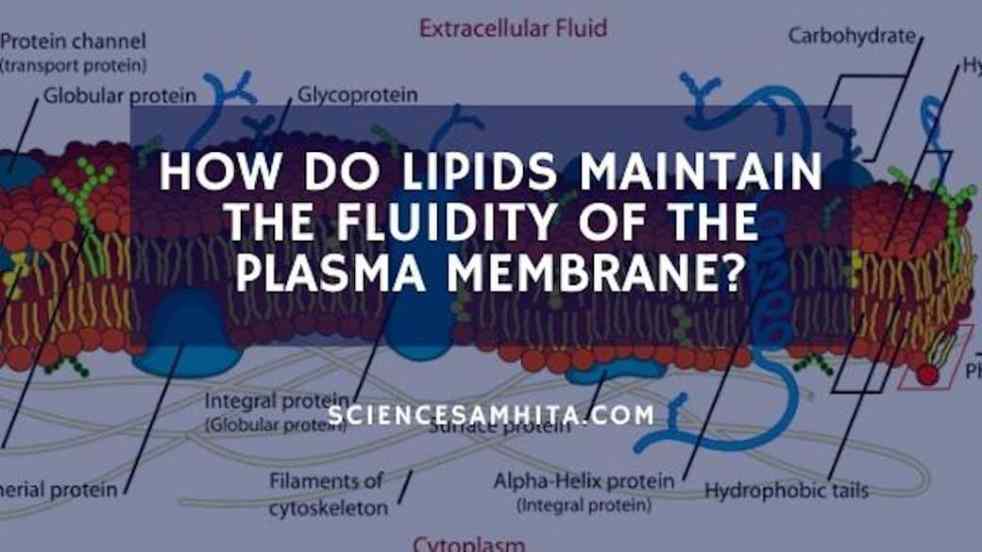
How do lipids maintain the fluidity of the plasma membrane?
The fluidity of the plasma membrane is maintained by the lipids present in the membrane such as phospholipids, glycolipids, and sterols. These lipids play a vital role in enhancing the flexibility and mechanical stability of the membrane.

What is Soil? How is it formed?
Soil is a mixture of small rocks, minerals, humus and also various microbes. It is formed by the weathering of rocks that is occuring since the begining of life on earth.
What are different factors that affect the growth of plants?
The plant growth is influenced by a variety of external and internal factors. The former include light, temperature, water, nutrients etc. while the latter includes genetic and hormonal factors.
How does a Tadpole change into a Frog?
Metamorphosis of the tadpole larva into an adult frog is one of the most striking transformations in all of biology. It transforms a fish-like water breathing, herbivorous tadpole into a tetrapod, amphibious, air-breathing, carnivorous frog.

How Enzymes speed up the chemical reactions?
Enzymes are complex biological molecules which catalyze or greatly speeds up the rate at which a chemical reaction will occur. The key concept behind the speeding up of a chemical reaction by an enzyme is that it reduces the activation energy required for a reaction. In doing so, it speeds up the reaction.
 Science Samhita