

We all know that DNA acts as a genetic material in most of the organisms on this planet earth. However, it is also clear that RNA also acts a genetic material, but only in some viruses. During the evolution, nature has considered DNA over RNA as genetic material, because DNA is more stable and more efficient than RNA.
Who discovered that DNA is the Genetic Material?
The discovery of DNA as the genetic material was one of the major achievements of science in the 20th century. This discovery made DNA, the chemical basis of heredity. It took almost 80 years for scientists to prove that DNA is the genetic material. Early works: In 1869, Johann Friedrich Miescher, a young Swiss medical student, discovered… Continue reading Who discovered that DNA is the Genetic Material?

11 Things Parents should know about giving Antibiotics.
Antibiotics have been around for many years and if your baby is 3 years or few months old then it is evident that you may get confronted with antibiotics 4 to 5 times in a year and may have fears and doubts about antibiotics. Moreover, many of you may have a habit of taking antibiotics on an… Continue reading 11 Things Parents should know about giving Antibiotics.

Bacterial Conjugation – A Primitive form of Sexual Reproduction.
Several Bacteria (like Escherichia Coli) exhibit a form of sexual reproduction called Bacterial Conjugation. It is the transfer of genetic material between bacterial cells by direct cell-to-cell contact or by a bridge-like connection between two cells.
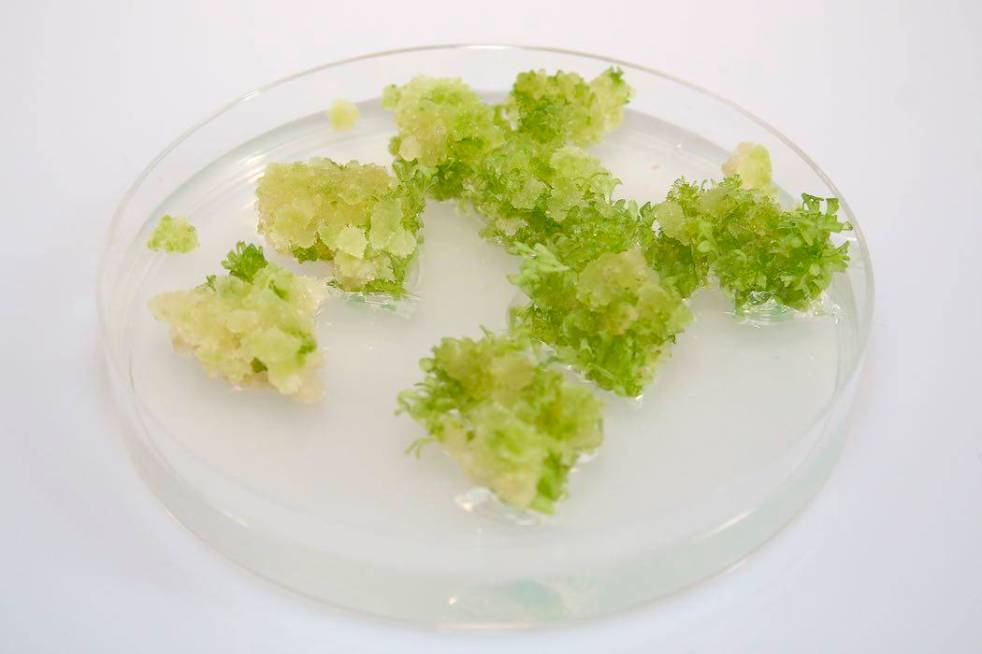
What are Explants?
Explants are excised pieces of plant parts or tissues. They may be taken from any part of the plant body e.g., leaf, stem, root etc. A healthy and disease-free explant is necessary for the success of tissue culture.
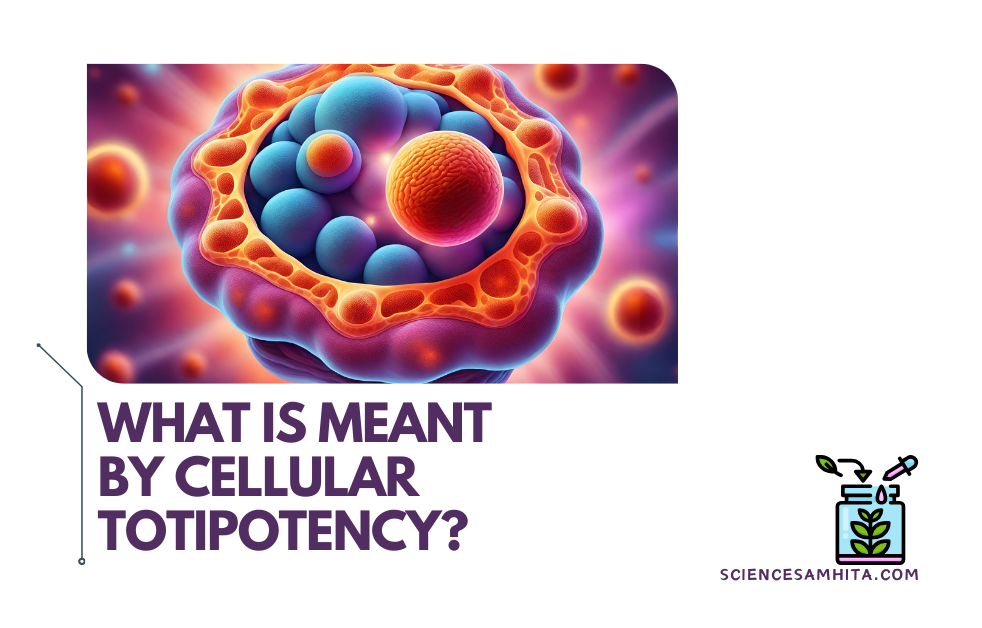
What is meant by Cellular Totipotency?
Cellular totipotency is the incredible ability of cells to transform and regenerate, with a history dating back to the early 20th century. Not just limited to plants, totipotent cells in animals serve as an emergency backup plan for tissue regeneration. Understanding this process holds immense potential for regenerative medicine and beyond.
 Science Samhita